The Risks of Owning a Vineyard: Beyond the Romance
Behind the Scenes – The Art of NZ Winemaking
Find us on
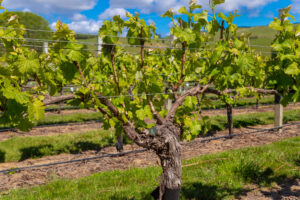
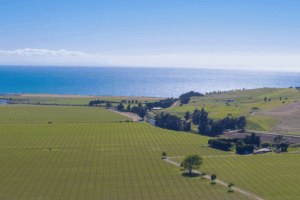
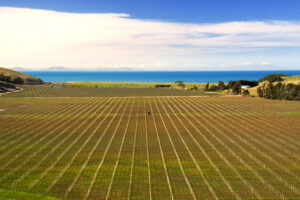
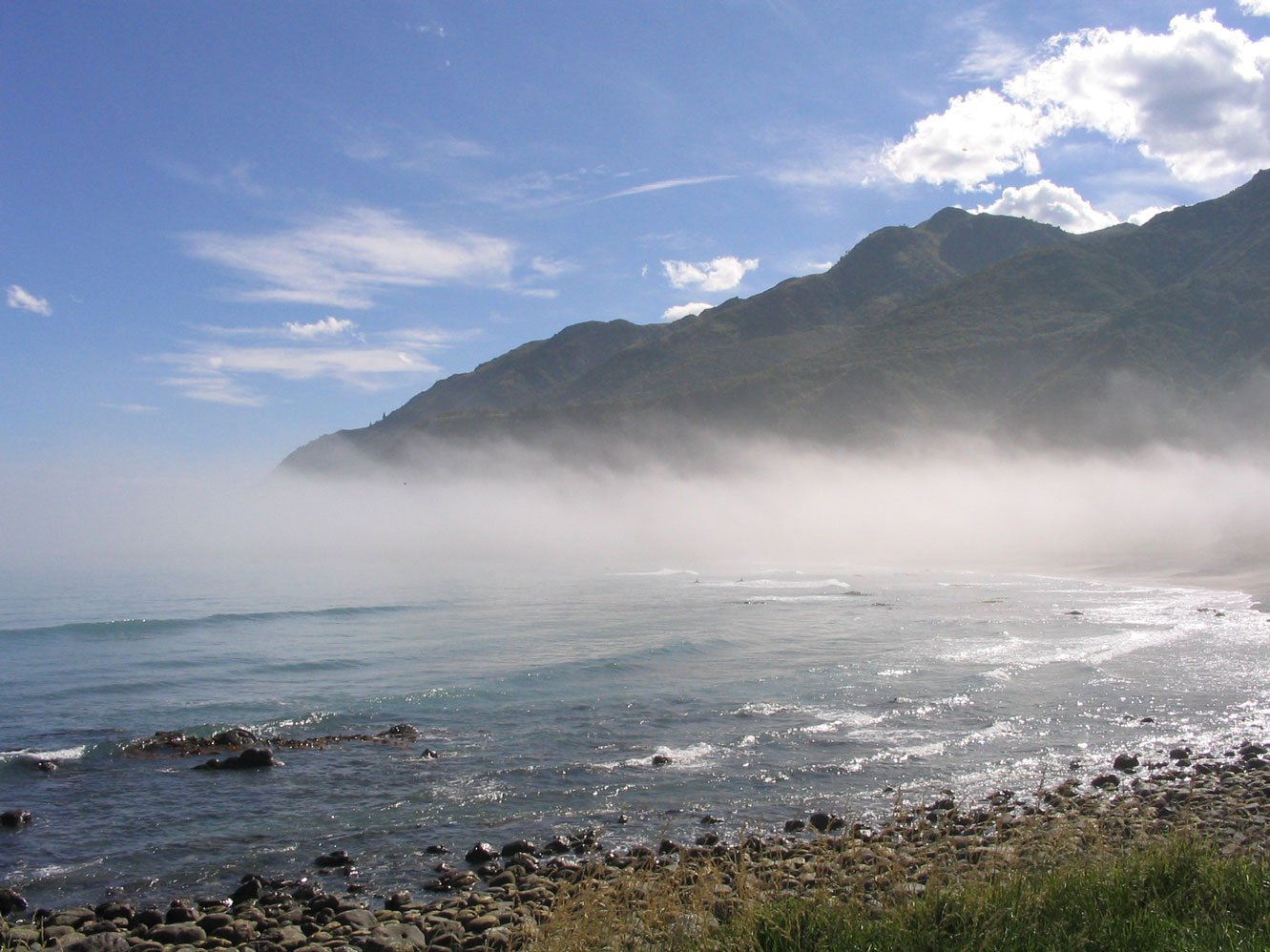
Blind River, on Marlborough’s southern edge, is one of Marlborough’s most remote wine sub-regions. Its rugged beauty produces layered, complex, minerally fruit-driven Sauvignon Blancs unlike anywhere else. But make no mistake — growing grapes here is not easy. The same forces that make Blind River wines so distinctive are also what make vineyard life risky.

The Wild Climate of Blind River
Blind River is known for being cooler, drier, and windier than Marlborough’s central valleys. That brings both blessings and challenges:
- Strong winds → They keep the vines healthy by reducing disease pressure, they also stress the plants, lowering yields for more concentrated fruit.
- Frost risk → In spring, when buds are just emerging, a single frost event can cut production drastically.
- Heavy rains & flooding → While Blind River is generally dry, nature can turn in an instant. In recent years, parts of the vineyard sat under floodwater for two full weeks — a stark reminder that no matter how carefully you plan, you’re always at the mercy of the elements. Our coastal vineyards is generally about 2 meters above sea level but we actually have a portion of the vineyard that is 1 meter below sea level.
- Drought conditions → Water is precious here; irrigation is tightly managed to keep vines alive while preserving intensity of flavor.
- Nature’s Other Threats
Even in this rugged environment, vineyards are never safe from nature’s curveballs:
- Pests & birds can strip fruit if not carefully managed.
- Fungal disease can appear after heavy rains or humid periods.
- Climate change adds uncertainty, making weather harder to predict each season.

The Financial Gamble
Every year in Blind River is a gamble:
- Low yields are the norm — which makes wines concentrated and expressive, but also risky for a business.
- A single bad season (like floods or frost damage) can mean financial strain, especially for boutique producers.
- Global trade shifts (tariffs, shipping costs, changing consumer tastes) ripple straight back to the vineyard gate.
Resilience at Barker’s Marque
20 years after our first planting, we have begun the necessary task of replanting blocks of the vineyard. At Barker’s Marque-Waverley Vineyard, resilience is part of the DNA. Surviving two weeks of flooding wasn’t just about saving vines — it was about protecting the future of the land itself. Every vintage means working with — not against — Blind River’s rugged conditions. And while the risks are real, the rewards are undeniable: wines with a freshness, minerality, and intensity that simply can’t be replicated elsewhere.
What’s more, all Barker’s Marque wines are sustainably produced ensuring the vineyard doesn’t just endure today’s challenges but helps protect Blind River’s environment for generations to come.

Why the Risk is Worth It
Behind every glass of Blind River Sauvignon Blanc lies a season of uncertainty: frost nights, wind-whipped days, floods that can linger for weeks, and the constant watch on skies and soils. But that’s what makes these wines so alive. They carry the story of a place where risk meets reward, and where every bottle is proof that nature’s challenges can be transformed into beauty.
May We Suggest…

ranga.ranga Sauvignon Blanc
Estate grown and “Old School”. The crisp citric flavors carry a solid core of lemon grass, lime zest, the tang of cut lawn, plus a hint of dried herbs and a touch of Awatere minerality. And it packs a fresh, zingy punch on the finish that makes it stand out from the crowd. Read Winemaker Note

Arona Sauvignon Blanc
The riper, more tropical and exotic side of Barker’s Marque, features a wide spectrum of flavours. Ripe stone-fruit and pineapple with lifted floral notes filling out the edges. A fruity alternative to the many grapefruit bombs available. Read Winemaker Note